
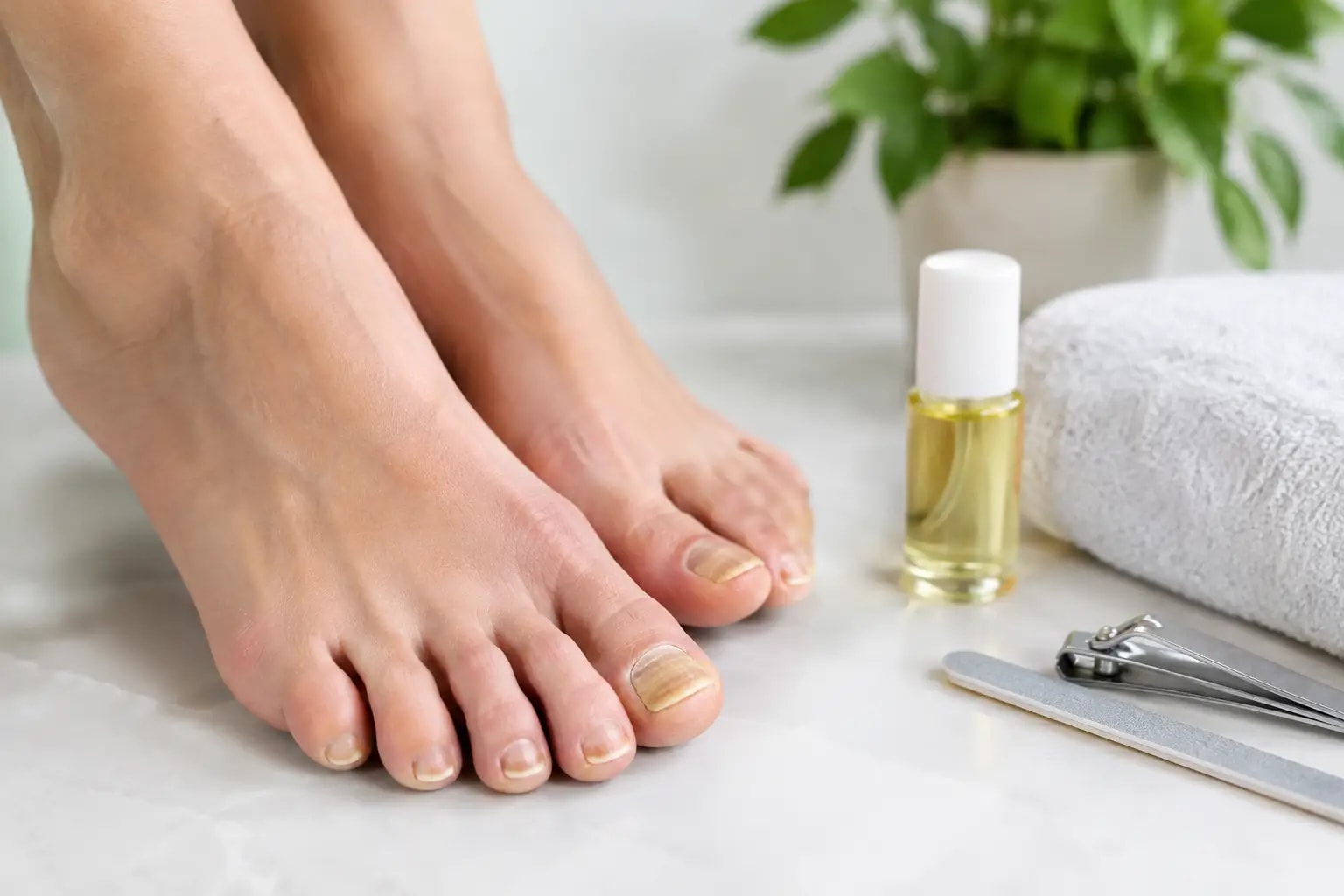
A toenail that becomes thicker, yellower or harder to cut can be more than a cosmetic concern. Many people ask why toenails thicken after noticing pressure in shoes, rough edges that catch on socks, or a nail that no longer looks like its neighbour. Thickened nails are common, particularly with age, but the cause matters because the right treatment depends on an accurate diagnosis.
A podiatrist can assess the nail, surrounding skin, footwear pressures and your general health before recommending care. In some cases, regular nail reduction is enough to improve comfort. In others, infection, repeated trauma or an underlying skin condition needs targeted treatment.
Why toenails thicken: the common causes
Toenails grow slowly and are exposed to considerable pressure every day. A change in their shape, colour or thickness may develop over months, so it is not always easy to identify when the problem began. The most common causes include fungal infection, repeated trauma, ageing changes and inflammatory skin conditions.
Fungal toenail infection
Fungal nail infection, also called onychomycosis, is one of the most frequent reasons for a thickened toenail. The nail may become yellow, white, brown or chalky, and can develop crumbly material underneath. It may lift slightly from the nail bed or become brittle at the edges.
Fungus thrives in warm, moist environments and can spread from athlete’s foot into the nail. Public change rooms, swimming areas and shared footwear may increase exposure, but infection is not simply a hygiene issue. A small injury to the nail, sweating, reduced circulation, diabetes and a weakened immune system can all make fungal infection more likely.
Not every yellow or thick nail is fungal. This is why assessment, and sometimes laboratory testing of nail clippings, is useful before committing to a long course of antifungal treatment.
Repeated pressure or injury
A toenail can thicken after repeated trauma, even when there has been no memorable accident. Runners, footballers, hikers and people who spend long hours in work boots often place repeated force through the ends of the toes. Tight or shallow shoes can press on the nail with every step.
A single injury, such as dropping an object on the foot or stubbing a toe, can also damage the nail-producing tissue beneath the skin. As the new nail grows, it may be thicker, ridged or irregular. If the nail matrix has been permanently affected, the change may continue long term.
The big toenails are especially prone to trauma because they take the greatest pressure in footwear. However, thickened smaller toenails can also indicate crowding of the toes, hammer toes or shoes that are too narrow through the forefoot.
Age-related nail changes
Toenails often become thicker and slower growing with age. Over decades, minor knocks, shoe pressure and gradual changes in nail growth can accumulate. The nail plate may harden, curve more strongly and become difficult to trim safely.
Ageing alone does not automatically mean fungal infection is present. However, thickened nails can trap moisture and debris, making infection more likely. Reduced flexibility can also make self-care difficult, particularly when vision, balance or hand strength are affected.
Skin conditions and medical factors
Psoriasis, eczema and other inflammatory skin conditions can alter the appearance of the nail. Psoriatic nails may thicken, separate from the nail bed, develop small pits or collect scale underneath. These changes can resemble fungal infection, and occasionally both conditions occur together.
Less commonly, poor circulation, nerve problems, certain medications and systemic health conditions contribute to abnormal nail growth. A severely thickened, curved nail that resembles a ram’s horn is known as onychogryphosis. It is more common in older adults and may develop where long-term pressure, limited self-care or reduced mobility are present.
Signs that deserve a podiatry assessment
A thick nail is worth assessing when it causes pain, is difficult to cut, catches on hosiery or makes shoes uncomfortable. It is also sensible to seek care if the nail is changing quickly, lifting from the nail bed, bleeding, producing discharge or causing redness and swelling around the toe.
Dark brown or black pigmentation under or within a nail should not be assumed to be bruising, particularly if there has been no injury or the colour is spreading. While many dark marks are harmless, a clinician should examine new or changing pigment to rule out more serious causes.
People with diabetes, reduced circulation, peripheral neuropathy or immune suppression should avoid attempting to cut very thick nails themselves. A small nick in the skin can be slow to heal and may become infected. Professional nail care is a safer option when sensation or healing is reduced.
How thickened toenails are treated
Treatment begins by identifying what is causing the change. At Manly Foot Clinic, a podiatrist can assess the nail and surrounding foot, discuss symptoms and footwear, and develop a practical plan based on your comfort, activity and health needs.
For many painful or overgrown nails, careful reduction and thinning of the nail plate provides immediate relief from shoe pressure. This is performed using podiatry equipment designed to reduce the nail safely and comfortably. Regular appointments may be recommended when nails regrow thickly or you cannot manage them at home.
If fungal infection is suspected, treatment may involve a topical antifungal product, oral medication prescribed in consultation with your GP, or a combination of approaches. Topical products may suit mild or early infection, but they need consistent use and can take many months because healthy nail must grow out from the base. Oral medicines can be more effective for some infections, although they are not appropriate for everyone and may require consideration of other medications and medical history.
When trauma or footwear pressure is the cause, treatment also focuses on preventing further damage. A roomier toe box, correctly fitted sports shoes, moisture-managing socks and attention to toe deformities can reduce repeated impact. For active patients, gait assessment or footwear advice may be useful where the same nail repeatedly bruises or thickens.
Nails affected by psoriasis or another skin condition may need coordinated treatment with a GP or dermatologist. Simply treating these nails as fungal can be frustrating and ineffective, which is another reason diagnosis should come first.
What you can safely do at home
Keep feet clean and dry, particularly between the toes. Change socks after exercise, allow shoes to dry fully between wears and use well-fitting footwear that does not press on the nails. If you have athlete’s foot, address it promptly to reduce the chance of fungal spread to the nails.
Trim nails straight across where possible and avoid cutting deeply down the sides. Do not dig beneath a lifted nail or use sharp tools to remove thickened material. Filing may smooth a rough edge, but aggressive filing can injure the skin or weaken the nail further.
Over-the-counter fungal products can be reasonable for mild suspected infection, but they are not a substitute for assessment when the nail is very thick, painful or changing. If there is no clear improvement, the diagnosis or treatment approach may need reviewing.
Thickened toenails do not always need urgent treatment, but they should not be ignored when they affect walking, footwear or confidence. Early assessment can make nails easier to manage and help you stay comfortable in the activities that matter to you.