
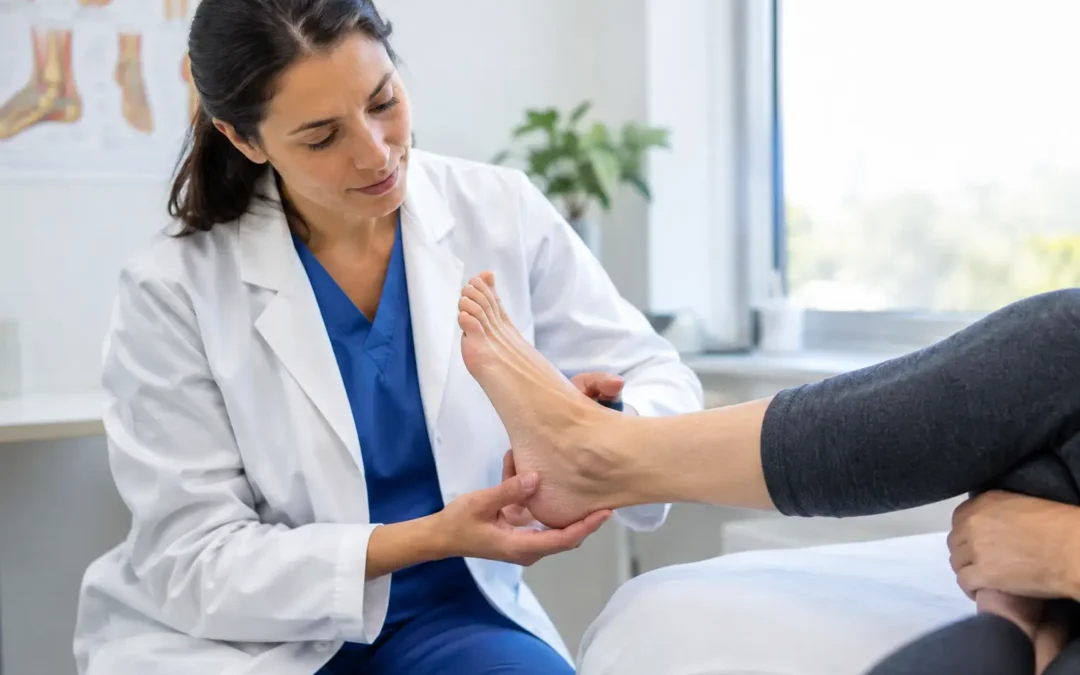
A painful foot can gradually change much more than the way you walk. You may stop taking your usual beach walk, avoid sport, choose shoes based on what you can tolerate, or feel less steady on uneven ground. Foot surgery can be an effective treatment for some conditions, but it is not automatically the first or best answer. The right decision starts with a clear diagnosis, an honest discussion about your goals and a treatment plan that considers your lifestyle, health and recovery needs.
When is foot surgery considered?
Surgery is usually considered when a structural problem, persistent pain or loss of function has not responded sufficiently to appropriate conservative care. This may include changes to footwear, activity modification, padding, targeted exercises, prescription orthotics, medication where suitable, or other podiatric treatment.
For some people, conservative treatment controls symptoms well for many years. For others, pain continues to limit work, exercise, sleep or everyday mobility despite a sensible course of non-surgical care. The aim of surgery is not simply to improve the appearance of a foot. It is to address the source of pain or pressure, improve function where possible and help you return to more comfortable movement.
The decision depends on the condition. A bunion that is noticeable but painless may not need surgery. A bunion that makes enclosed shoes difficult, causes recurrent inflammation or shifts the lesser toes may be a different situation. Similarly, a stiff and painful big-toe joint from hallux rigidus may eventually need surgical treatment if it prevents normal walking and has not improved with footwear changes or orthotic management.
Conditions that may benefit from surgical treatment
Foot and ankle conditions vary widely, and so do the procedures used to treat them. Common problems that may be assessed for surgery include bunions, hammer toes, hallux rigidus, painful neuromas, ingrown toenails and certain tendon, nerve or bone conditions.
A bunion occurs when the big toe drifts towards the smaller toes and the joint at its base becomes prominent. Surgery may be considered when pain and footwear difficulty persist, rather than because of the size of the bump alone. Hammer toes can cause painful rubbing, corns and pressure on the ball of the foot, particularly when the toe becomes fixed rather than flexible.
Hallux rigidus is arthritis affecting the big-toe joint. It can create a deep ache, swelling, a bony prominence on top of the joint and reduced ability to push off during walking. Depending on the stage of arthritis, surgery may involve removing painful bone spurs, realigning the joint or, in more advanced cases, stabilising the joint to relieve pain.
Morton’s neuroma and tarsal tunnel pain require particularly careful assessment. Both involve nerve irritation, but their symptoms can overlap with other causes of forefoot or heel pain. Surgery is only considered after confirming the diagnosis and exploring appropriate non-surgical options. Treating the wrong source of pain will not produce the result a patient is hoping for.
A diagnosis should come before a procedure
A good surgical plan begins with understanding exactly what is happening in your foot. Pain in one area does not always mean the problem started there. For example, forefoot pain may be influenced by a tight calf, reduced big-toe movement, a change in gait, poorly fitting shoes or the way the foot loads during activity.
Assessment may include a detailed history, examination of joint movement and muscle strength, footwear review, gait analysis and imaging where indicated. This helps identify the severity of the condition, rule out other causes and determine whether surgery is likely to address your main concern.
Your broader health also matters. Diabetes, circulation concerns, smoking, inflammatory arthritis, osteoporosis and some medications can affect surgical planning and healing. These factors do not necessarily rule surgery out, but they should be discussed early so risks can be managed properly.
At Manly Foot Clinic, assessment is centred on the individual rather than a one-size-fits-all procedure. A plan should account for what you need your feet to do, whether that is keeping up with children, staying active in retirement, returning to running or simply walking comfortably through the day.
Minimally invasive foot surgery: what it can and cannot do
Minimally invasive foot surgery uses small incisions and specialised instruments to correct selected foot problems. For appropriate patients, it may reduce soft-tissue disruption and leave smaller scars than traditional open techniques. This can be appealing, particularly for people concerned about recovery and footwear.
However, minimally invasive does not mean minor, risk-free or suitable for every condition. The underlying bone, joint or tendon problem still needs to be corrected accurately, and recovery still requires patience. The most suitable approach depends on the diagnosis, degree of deformity, bone quality, skin condition and surgical goals.
A procedure should be chosen because it offers the best clinical option for your foot, not because it is marketed as the quickest option. Ask why a particular technique is recommended, what alternatives are available and what result is realistic in your circumstances.
Preparing for foot surgery
Preparation can make recovery safer and more manageable. Before surgery, you should understand the practical restrictions involved. Depending on the procedure, you may need a post-operative shoe, boot, crutches or a period of reduced weight-bearing. Driving, work duties and household tasks may need to be adjusted.
It is helpful to arrange support at home, especially for the first few days. Prepare meals, keep commonly used items within easy reach and plan how you will manage stairs if they are part of your home. If you live alone, discuss this before the procedure so appropriate arrangements can be made.
Your clinician will also explain instructions around fasting if sedation or anaesthesia is being used, medications, wound care and when to contact the practice. Following these directions closely helps reduce avoidable complications.
What recovery really involves
Recovery is not a single timetable. It varies according to the procedure, the condition being treated, your general health and how closely post-operative instructions can be followed. Swelling is common after foot surgery and can last longer than people expect, particularly when the foot is down during the day or in warmer weather.
Early recovery focuses on protecting the surgical site, controlling swelling and pain, and allowing tissues to heal. Elevation, carefully paced activity and wearing the prescribed footwear or support are often important. Follow-up appointments allow healing, alignment and wound progress to be checked.
As recovery progresses, treatment may include footwear guidance, gentle mobilisation, exercises, scar care or orthotic support. Returning to regular shoes, work or sport should be based on clinical progress rather than a fixed date. Pushing too hard too early can prolong swelling, irritate healing tissues or compromise the intended result.
It is also reasonable to expect a period of adjustment. The foot may feel different after structural correction, and muscles, joints and walking patterns may need time to adapt. A considered rehabilitation plan helps make that transition more comfortable.
Questions worth asking before you decide
Before agreeing to surgery, make sure you understand the diagnosis, the purpose of the proposed procedure and what may happen if you continue with non-surgical management. Ask about expected benefits, limitations, risks, recovery restrictions and the likelihood that you will need orthotics, different footwear or rehabilitation afterwards.
No operation can promise a perfect foot or guarantee that every symptom will disappear. Risks can include infection, delayed healing, swelling, stiffness, nerve irritation, persistent pain, recurrence or the need for further treatment. A clear conversation about these possibilities is part of safe, patient-focused care, not a reason to avoid asking questions.
The most useful question may be: will this procedure help me do the things that matter to me with less pain and greater confidence? When surgery is based on a precise diagnosis and realistic goals, it can be a meaningful step towards getting back to comfortable movement.