
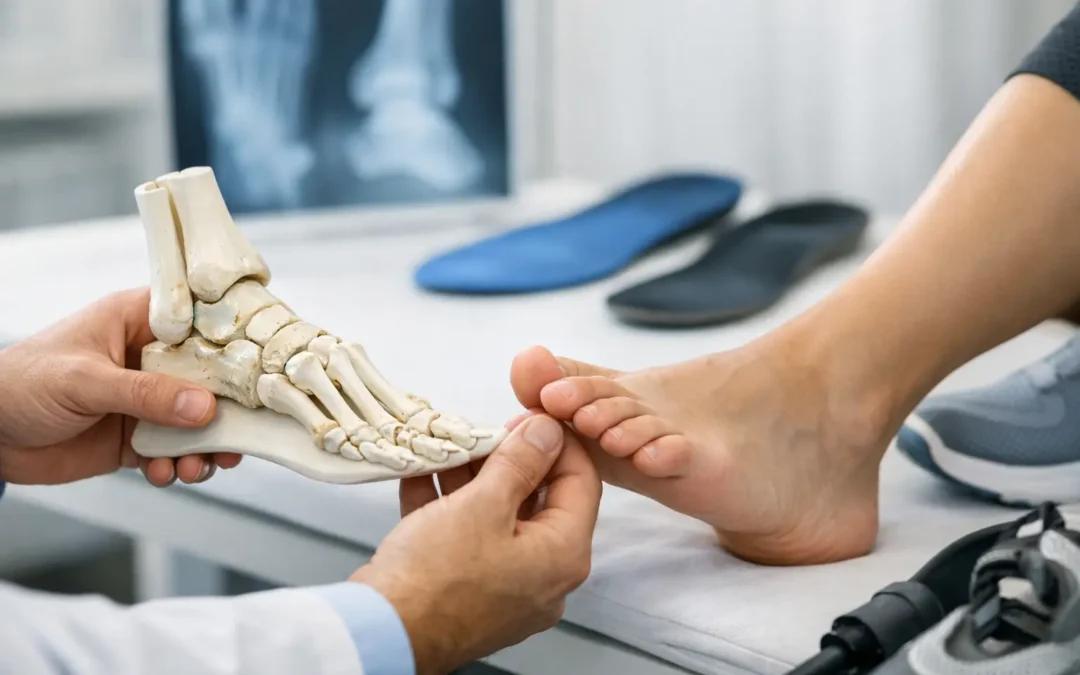
A stiff, painful big toe can change far more than the way you walk. It can make a beach walk, a game of golf, climbing stairs or simply pushing off from the footpath feel difficult. Hallux rigidus treatment is designed to reduce pain, protect the joint and help you return to more comfortable movement, with the right approach depending on how advanced the condition is.
Hallux rigidus is arthritis of the joint at the base of the big toe, known as the first metatarsophalangeal joint. As the joint surface wears, the toe becomes harder to bend upwards. Bony spurs may develop across the top of the joint, creating a visible bump that can rub painfully in shoes. While it is sometimes called a stiff big toe, the condition can become a significant source of pain and limitation without appropriate care.
Recognising hallux rigidus early
Pain at the top of the big toe joint, especially when walking uphill, squatting, running or getting up onto the toes, is a common early sign. You may notice stiffness after resting, tenderness around the joint or discomfort when wearing enclosed shoes. Some people alter their gait without realising it, rolling onto the outside of the foot to avoid bending the big toe.
As arthritis progresses, movement may reduce further and pain can occur even when the toe is not being used. The bony prominence may make certain footwear uncomfortable, while compensatory walking patterns can contribute to pain in the ball of the foot, arch, ankle, knee or lower back.
Hallux rigidus is not always caused by one event. Previous injuries to the big toe, repeated loading from work or sport, footwear pressure, joint shape and family history can all play a part. It is also more common as joint wear develops with age. A thorough podiatry assessment helps distinguish hallux rigidus from gout, bunions, tendon problems and other causes of big toe pain.
Hallux rigidus treatment starts with an accurate assessment
A good treatment plan begins by understanding what is happening in the joint and how it affects your daily life. Your podiatrist will assess toe movement, joint tenderness, footwear wear patterns and the way you stand and walk. Gait analysis can identify whether foot mechanics are placing extra load through the big toe joint.
X-rays are often useful for confirming arthritis, identifying bony spurs and assessing the remaining joint space. This information helps determine whether conservative care is likely to provide meaningful relief or whether a surgical opinion should be considered.
The aim is not simply to treat an X-ray. Some people have visible arthritic changes but manageable symptoms, while others have less obvious changes and considerable pain. Your work, activity level, preferred footwear, medical history and goals all matter when planning care.
Conservative options for pain and stiffness
For many patients, non-surgical care can reduce symptoms and slow the strain placed on the joint. It is particularly useful in early to moderate hallux rigidus, although it can also help manage symptoms where surgery is not suitable or not desired.
Footwear changes that reduce joint pressure
Shoes that bend easily through the forefoot can force a painful big toe joint to move with every step. A firm-soled shoe or a shoe with a rocker-style sole can reduce the amount of bend required at the big toe during push-off. A deeper toe box may also prevent rubbing over the bony prominence.
The best shoe is not necessarily the stiffest or most expensive option. It needs to fit the shape of your foot, suit your walking demands and feel stable. High heels, narrow dress shoes and flexible shoes with little support can aggravate symptoms for some people, particularly during longer periods on their feet.
Prescription orthotics and shoe modifications
Custom prescription orthotics can be used to improve foot function and reduce load through the painful joint. Depending on your assessment, an orthotic may include a modification that limits painful big toe motion while supporting the foot through the rest of the walking cycle.
A carbon-fibre plate or a rigid insert placed in the shoe can also reduce joint bending. These options are not identical, and they are not right for every foot. An overly rigid device may feel uncomfortable or shift pressure elsewhere, which is why fitting, review and adjustment are part of effective care.
Managing inflammation and activity load
Reducing activities that consistently trigger sharp joint pain can settle an irritated flare. This does not mean you must stop being active. Often, a temporary change from running or hill walking to cycling, swimming or flatter walking routes allows symptoms to calm while maintaining fitness.
Cold therapy after activity may help some people with soreness. Your GP or pharmacist can advise whether anti-inflammatory medicine or other pain relief is suitable for you, particularly if you have stomach, kidney, heart or blood pressure concerns, or take regular medication.
Targeted exercises may maintain strength and movement in surrounding joints, but forcing a severely arthritic toe through painful range is rarely helpful. The goal is controlled, comfortable movement rather than aggressively trying to restore a joint motion that arthritis has already restricted.
When is surgery considered?
Surgery may be considered when pain persists despite well-planned conservative treatment, footwear becomes increasingly difficult to tolerate or joint stiffness significantly limits everyday activity. The procedure should match the stage of arthritis and your expectations for movement, footwear and sport.
For earlier-stage hallux rigidus where there is a prominent bony spur but reasonable joint cartilage remains, a cheilectomy may be appropriate. This procedure removes bone spurs and creates more room for the toe to move. It can reduce pain caused by shoe pressure and joint impingement, although it does not remove the underlying arthritis. Recovery and outcomes vary with the degree of joint damage and how closely post-operative guidance is followed.
Where arthritis is advanced, joint fusion may offer the most predictable pain relief. A fusion joins the bones across the painful joint, eliminating its motion while allowing the rest of the foot to function. Although the toe no longer bends at that joint, many people can return to walking and a wide range of activities in suitable footwear once healing is complete.
Joint replacement or joint-preserving procedures may be considered in selected cases. These options involve different benefits and limitations, including implant longevity, activity demands and the possibility of further surgery. A careful discussion with an experienced foot surgeon is essential before choosing any operation.
Recovery is a planned process
Whether treatment is conservative or surgical, follow-up matters. Orthotics may need adjustment as symptoms settle or activity changes. After surgery, recovery commonly involves a period of protected footwear, wound care, gradual return to loading and review appointments to monitor healing.
It is understandable to want a quick return to normal shoes or sport, but progressing too quickly can compromise comfort and recovery. Your treatment team can give advice based on your procedure, X-ray findings, healing progress and individual demands. For active Northern Beaches patients, this may include a staged return to walking, gym work, running or field sports rather than an all-at-once return.
Do not ignore a stiff, painful big toe
Big toe pain is easy to dismiss at first, especially if it settles after rest. However, delaying assessment can allow stiffness, altered gait and footwear difficulty to become more entrenched. Early care may help you stay active with simpler measures and give you clearer options if symptoms progress.
At Manly Foot Clinic, hallux rigidus is assessed with a focus on your pain, mobility and day-to-day goals, not a one-size-fits-all pathway. If your big toe is stopping you from walking comfortably, an individual assessment can help identify the most practical next step towards moving with greater confidence.