
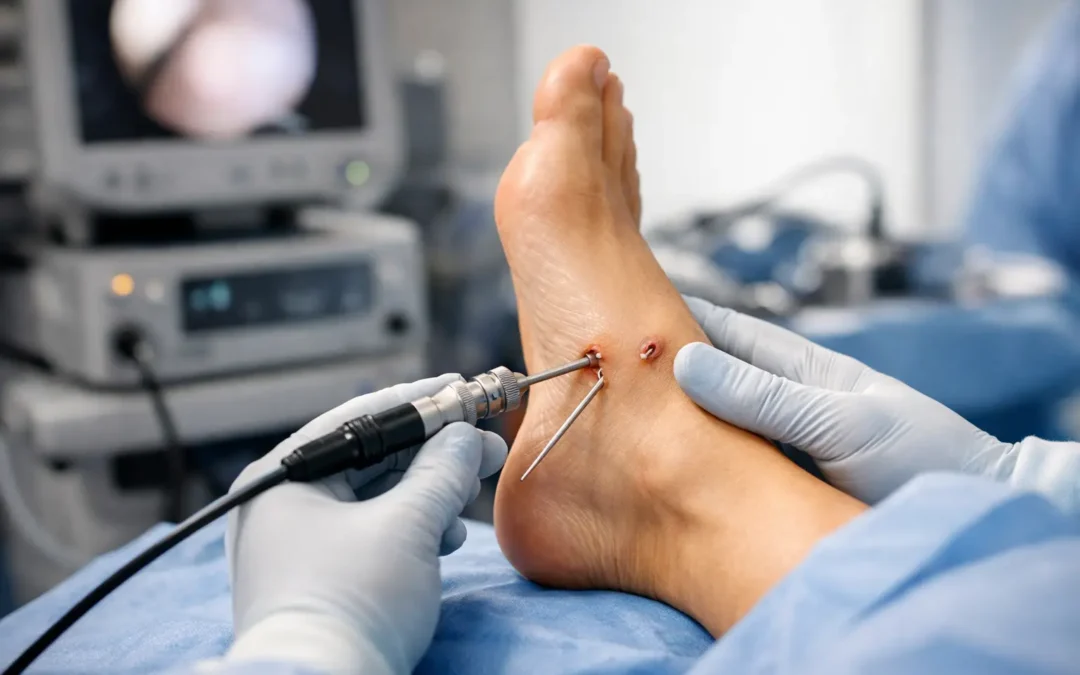
A painful bunion, stiff big toe or persistent forefoot pain can gradually change the way you walk, exercise and manage everyday tasks. When non-surgical care has not provided enough relief, minimally invasive foot and ankle surgery may be considered as part of a carefully planned treatment pathway. It is not simply a smaller operation. It is a specialised surgical approach that aims to correct the underlying problem through very small skin openings, while protecting surrounding soft tissues where appropriate.
At Manly Foot Clinic, the decision to recommend surgery follows a thorough assessment of your symptoms, foot structure, activity needs and response to conservative treatment. The goal is practical: reduce pain, improve function and help you return to comfortable movement with a recovery plan that makes sense for your life.
What is minimally invasive foot and ankle surgery?
Minimally invasive surgery, sometimes called keyhole foot surgery, uses small incisions rather than the longer incisions associated with traditional open procedures. Fine surgical instruments and specialised imaging are used to perform the procedure accurately through these small access points.
Depending on the condition, surgery may involve carefully reshaping bone, realigning a toe joint, releasing tight soft tissue or addressing a bony prominence. The technique is commonly considered for selected bunions, hammer toes, certain forefoot deformities and some painful joint conditions. It may also be suitable for other foot and ankle concerns after clinical assessment.
Small incisions can mean less disruption to tissue near the surgical site. For many patients, this may support reduced wound discomfort and less visible scarring. However, a smaller incision does not make surgery minor in every respect. Bone healing, swelling management, footwear restrictions and a gradual return to activity still require commitment.
When could surgery be the right option?
Surgery is usually not the first step for foot and ankle pain. Many conditions respond well to appropriate footwear, padding, activity modification, targeted exercises, anti-inflammatory measures, prescription orthotics or other conservative treatment. For example, a person with early bunion pain may gain meaningful relief from shoes with a wider toe box and orthotic support, while someone with heel pain may improve with a structured rehabilitation program.
Surgery becomes more relevant when pain continues to limit walking, work, sport or footwear choices despite well-managed conservative care. It may also be considered where a deformity is progressing, where toes are rubbing or developing corns, or where joint changes are making normal movement difficult.
The appearance of a bunion or toe deformity alone is not always a reason for an operation. Symptoms, function and the rate of change matter more than how the foot looks. Equally, a severe deformity is not automatically best treated with a minimally invasive technique. The most suitable procedure depends on the exact shape and alignment of the bones, joint condition, tissue quality and your health history.
Conditions that may be assessed for a minimally invasive approach
Bunions are one of the best-known examples. A bunion occurs when the big toe moves towards the second toe and the joint at its base becomes prominent. It can cause pressure in footwear, redness, swelling and pain during walking. In selected cases, minimally invasive techniques can be used to realign the bone and improve the position of the toe.
Hammer toes and claw toes can also create persistent pressure over the toe joints or at the tip of the toe. When footwear changes, padding and orthotic management are no longer enough, surgical correction may relieve rubbing and improve shoe comfort.
Hallux rigidus, or arthritis and stiffness of the big toe joint, may require a different approach. Some patients benefit from removing a bony prominence that catches during motion, while more advanced joint degeneration may need a procedure that is not suited to keyhole techniques. Accurate diagnosis is essential before deciding on treatment.
Pain in the ball of the foot, including symptoms associated with Morton’s neuroma, must also be assessed carefully. Surgery is only considered after confirming the source of pain and exploring conservative options. Not all forefoot pain has the same cause, even when symptoms feel similar.
Assessment comes before the procedure
A successful surgical plan starts with identifying why the foot hurts and what is driving the deformity or reduced movement. Your podiatrist will discuss when the symptoms began, which shoes aggravate them, how they affect work and recreation, and what treatments you have already tried.
The examination may include assessment of joint movement, muscle and tendon function, skin condition, circulation, nerve symptoms and walking pattern. Imaging may be used to evaluate bone alignment, joint wear and the degree of deformity. This information helps determine whether minimally invasive surgery is appropriate or whether another treatment will offer a more predictable result.
Your wider health also matters. Diabetes, reduced circulation, smoking, osteoporosis, inflammatory arthritis and some medications can affect healing and influence the choice and timing of surgery. Patients should raise any history of blood clots, allergies, previous foot surgery or difficulty with anaesthesia during their consultation.
What happens during recovery?
Recovery varies with the procedure performed, the bones involved and the demands of your normal routine. Some patients can bear weight in a post-operative shoe soon after surgery, while others need a period of limited weight bearing, crutches or a protective boot. Your clinician will give instructions specific to your operation rather than applying a one-size-fits-all timeline.
Swelling is common after foot surgery and can remain noticeable for several months, particularly at the end of the day or after increased activity. Elevating the foot, following wound-care instructions and wearing the prescribed post-operative footwear can make a significant difference. It is sensible to plan for help with driving, shopping, school drop-offs or work duties during the early recovery period.
Follow-up appointments allow the surgical site, swelling, alignment and progress of bone healing to be monitored. They are also an opportunity to adjust activity levels and discuss the return to regular shoes, exercise or sport. Returning too quickly can compromise comfort and healing, while avoiding movement for longer than advised can contribute to stiffness. The right pace is individual.
Benefits and trade-offs to understand
For the right patient and procedure, minimally invasive surgery may offer smaller scars, less soft-tissue disturbance and a comfortable early wound recovery. It can be an effective option for correcting selected deformities and addressing pain that has not improved through conservative treatment.
It still carries the recognised risks of foot surgery. These can include infection, delayed wound or bone healing, persistent swelling, nerve irritation, stiffness, recurrence of deformity, under-correction or over-correction, and the possibility that further treatment may be needed. No technique can guarantee a particular cosmetic result, footwear outcome or return-to-sport date.
The surgeon’s experience, appropriate case selection and your commitment to post-operative instructions all influence the result. A recommendation should be based on what is safest and most likely to improve your function, not on whether one surgical method sounds more appealing than another.
Preparing for a better recovery
Before surgery, it helps to organise a comfortable place to rest with your foot elevated and keep essential items within easy reach. Choose loose, safe clothing, prepare simple meals and remove trip hazards from walkways. If you have stairs at home, discuss this before the procedure so your recovery plan accounts for them.
Good general health supports healing. Follow advice about smoking cessation, medication adjustments and managing medical conditions. Attend each review appointment, keep dressings dry as instructed and contact the clinic promptly if you develop increasing pain, unusual redness, drainage, fever or concerns about circulation in the toes.
Foot and ankle surgery should never feel like a rushed decision. A clear diagnosis, realistic discussion and personalised plan give you the best foundation for taking your next steps with greater comfort and confidence.