
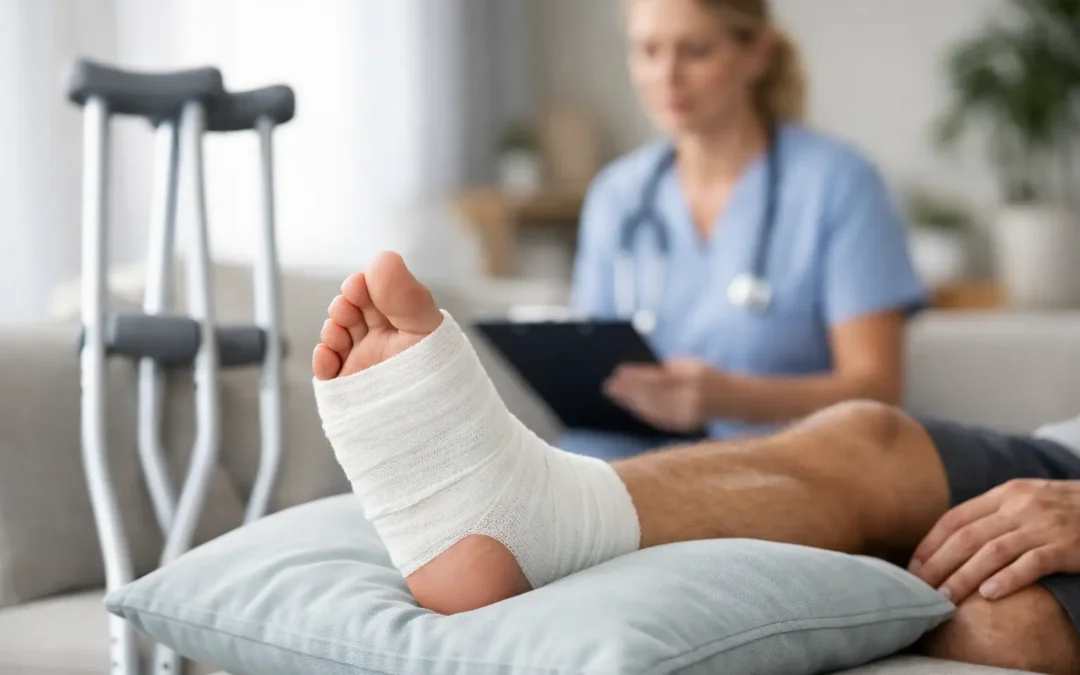
A procedure may take less than an hour, but minor foot surgery recovery time is measured by more than the time spent in the treatment room. The location of the incision, the type of procedure, your circulation and general health, and how well the foot can be protected afterwards all affect recovery. A careful plan helps you heal comfortably while reducing the risk of wound problems, prolonged swelling and setbacks.
For many people, minor foot surgery can treat a persistent problem that has not responded to appropriate conservative care. This may include an ingrown toenail procedure, removal of a painful skin lesion, treatment around a joint or tendon, or minimally invasive correction of a toe deformity. Your specialist in podiatric surgery will explain the likely recovery period for your specific procedure before surgery, rather than relying on a one-size-fits-all timeline.
What affects minor foot surgery recovery time?
The word “minor” describes the scale of the procedure, not necessarily the impact on daily life in the first few days. Even a small wound on the foot is exposed to pressure whenever you stand, walk or wear shoes. Keeping weight and friction away from the area is often central to a smooth recovery.
A straightforward ingrown toenail procedure may allow a return to desk-based work or school within a few days, provided the toe can be kept clean, dry as instructed and protected in roomy footwear. If part of the nail matrix has been treated, healing of the skin around the nail commonly takes two to four weeks. The nail itself takes much longer to grow, so its appearance continues to change well after the wound has closed.
Procedures involving a bony prominence, a joint, tendon, nerve or more extensive toe correction can require a longer period in a surgical shoe or boot. Swelling may persist for several weeks, and a return to normal enclosed shoes can depend on comfort, wound healing and the amount of space available in the shoe. Recovery is generally slower when both feet are treated at once, when the procedure is more involved, or when you must stand or walk for much of the day.
Smoking or vaping nicotine, diabetes, poor circulation, immune conditions and certain medications may affect tissue healing. These factors do not automatically prevent surgery, but they should be discussed openly during assessment so your care can be planned safely.
The first 48 hours: protect the surgical site
The first two days are usually about rest, elevation and protecting the dressing. Keeping the foot elevated above heart level when sitting or lying down can help limit throbbing and swelling. Short, necessary trips around the home are usually preferable to being on your feet for long periods, but follow the weight-bearing instructions given for your procedure.
Some discomfort is expected as local anaesthetic wears off. Your clinician will advise you about suitable pain relief based on your medical history and the procedure performed. Take medication only as directed, and do not wait until pain becomes difficult to settle before following the recommended plan.
Do not remove, wet or replace a surgical dressing unless you have been specifically instructed to do so. Dressings protect the wound from friction and contamination, and they can also provide gentle support. If a dressing becomes soaked through, slips significantly or feels uncomfortably tight, contact the clinic for advice.
It is sensible to organise practical help before surgery. Meals, school drop-offs, shopping and walking the dog can be surprisingly awkward when you need to keep the foot elevated or avoid getting a dressing wet. Preparing a clear path through the home and keeping essentials within reach reduces the chance of a fall.
Week one: wound checks and comfortable movement
A follow-up appointment is commonly arranged within the first week, although the timing varies. This is an opportunity to inspect the wound, change the dressing, check swelling and confirm whether your current footwear and activity level are appropriate. Stitches, if used, are often removed around 10 to 14 days after surgery, depending on the site and how the wound is healing.
You may be encouraged to perform simple movements of the ankle or toes that were not operated on. This can assist circulation and reduce stiffness. However, exercises should be procedure-specific. Stretching or loading a repaired area too early can be unhelpful, even if you are feeling better.
Footwear matters. Open footwear may be more comfortable after some toe procedures, but it must be stable and safe for walking. A loose thong can increase the risk of tripping and may cause you to grip with your toes. A post-operative shoe, sandal or walker boot may be prescribed to protect the foot and support safe mobility. Wear it exactly as advised, including inside the home if required.
Returning to work, driving and everyday activities
There is no universal date for returning to work. Someone with a sedentary role and the ability to elevate their foot may return earlier than a nurse, retail worker, tradesperson or parent managing a busy household. If your work involves prolonged standing, walking, ladders, carrying loads or safety footwear, you may need more time or temporary modified duties.
Driving should wait until you can safely control the pedals, perform an emergency stop without pain or hesitation, and are no longer affected by medicines that impair alertness. A surgical shoe or boot can interfere with pedal control, particularly on the right foot. Check the advice specific to your procedure and insurer before returning to the driver’s seat.
Gentle walking is often increased gradually, not all at once. A useful guide is how the foot responds later that day and the following morning. If swelling and pain increase noticeably after an activity, reduce the load, elevate the foot and discuss ongoing symptoms at your review. Pushing through pain can prolong recovery rather than speed it up.
When can you return to exercise?
Sport and exercise should be reintroduced in stages. Low-impact activity may be appropriate before running, field sports, court sports or long beach walks, but only when the wound is healed and your clinician is satisfied with your progress. For procedures involving a joint, tendon, bone or nerve, a structured rehabilitation plan may include mobility work, strengthening, gait assessment and gradual loading.
Athletes often feel fit enough to return before the foot is ready for repeated impact and rapid direction changes. This is where patience protects the surgical result. Returning too soon can aggravate swelling, alter walking mechanics or create stress elsewhere in the body, including the knee, hip or lower back.
Appropriate footwear, and prescription orthotics where indicated, can support recovery after you return to normal activity. They are not required for every patient, but they may help manage pressure through a painful area or address biomechanical factors that contributed to the original condition.
Signs that need prompt clinical advice
Mild swelling, bruising and tenderness can be part of normal healing. However, contact your treating clinician promptly if pain is worsening rather than improving, the dressing is saturated with blood, redness is spreading, the wound develops an unpleasant odour or discharge, or you feel feverish or unwell.
Seek urgent medical care for severe pain that is not controlled by the prescribed plan, sudden calf pain or swelling, chest pain, shortness of breath, or toes that become very pale, blue, cold or numb. These symptoms are uncommon, but they should not be managed by waiting to see if they settle.
Give recovery the time it needs
A successful procedure is not simply a well-healed incision. It is the return to comfortable, confident movement with a plan that suits your work, family responsibilities and activity goals. At Manly Foot Clinic, recovery advice is tailored to the procedure and the person, with follow-up care focused on protecting healing while helping you move forward safely.
If you are considering surgery or have concerns after a procedure, an individual assessment gives you clearer answers than a generic timeline. The right pace is the one that supports sound healing and a comfortable return to the activities that matter to you.